Bureau of Prohibition (Louisville)

About
The Bureau of Prohibition (Louisville) has been disbanded and absorbed by the Bureau of Alcohol, Tobacco, Firearms & Explosives (Louisville) in Louisville, Kentucky.
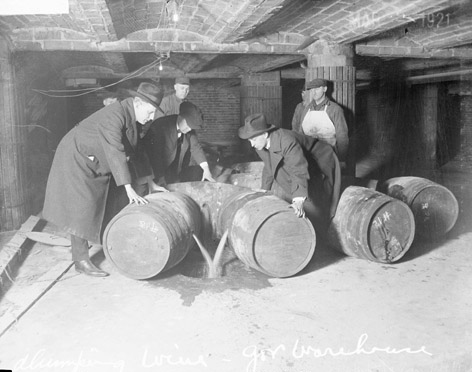
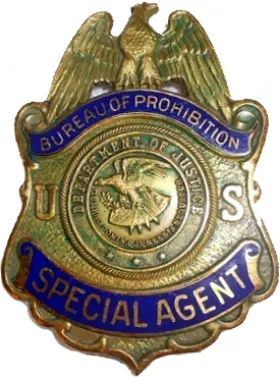
The Bureau of Prohibition (or Prohibition Unit) was the federal law enforcement agency formed to enforce the National Prohibition Act of 1919, commonly known as the Volstead Act, which backed up the 18th Amendment to the United States Constitution regarding the prohibition of the manufacture, sale, and transportation of alcoholic beverages. When it was first established in 1920, it was a unit of the Bureau of Internal Revenue. On April 1, 1927, it became an independent entity within the Department of the Treasury, changing its name from the Prohibition Unit to the Bureau of Prohibition.
On July 1, 1930, the Prohibition Bureau was transferred from the Treasury Department to the Department of Justice. Early in 1933, as part of the Franklin D. Roosevelt-sponsored Omnibus Crime Bill, the Prohibition Bureau was briefly absorbed into the Federal Bureau of Investigation (FBI), or Division of Investigation as the agency was then called. At this point it became the Alcohol Beverage Unit. Though part of the FBI on paper, J. Edgar Hoover, who wanted to avoid liquor enforcement and the taint of corruption that was attached to it, continued to operate it as a separate, autonomous agency in practice.
Following the repeal of Prohibition in December 1933, the Alcohol Beverage Unit was removed from the FBI and the Justice Department, and returned to Treasury, where, coming full circle, it became the Alcohol Tax Unit of the IRS, ultimately evolving into the Bureau of Alcohol, Tobacco, and Firearms (ATF).Today, the ATF mostly deal with illegal firearms and illegal drugs.
In the wake of the terrorist attack on the World Trade Center on September 11, 2001, President George W. Bush signed into law the Homeland Security Act of 2002. In addition to the creation of the Department of Homeland Security, the law shifted the ATF from the Department of the Treasury to the Department of Justice. The agency's name was changed to Bureau of Alcohol, Tobacco, Firearms, and Explosives but it is still referred to as the ATF.
The task of collecting federal tax revenue derived from the production of tobacco and alcohol products and the regulatory function related to protecting the public in issues related to the production of alcohol, previously handled by the ATF and the IRS, was transferred to the newly established Alcohol and Tobacco Tax and Trade Bureau (TTB), which remained within the Treasury Department. These changes took effect January 24, 2003.
Fallen Heroes
1 Hero has given their life in the line of duty during the history of the Bureau of Prohibition (Louisville).